
Sports Law Micro Blog

The Costliest Free Agency Signing in Sporting History? A Snapshot of NBA Salary Caps and the LA Clippers Scandal
A $30 million fine, five lost first-round picks and a shattered franchise have placed the NBA’s salary cap rules firmly under the spotlight. James Theile unpacks the LA Clippers’ Kawhi Leonard scandal, examining how secret third-party arrangements can circumvent collective bargaining rules and what the fallout could mean for the future enforcement of player endorsement deals.
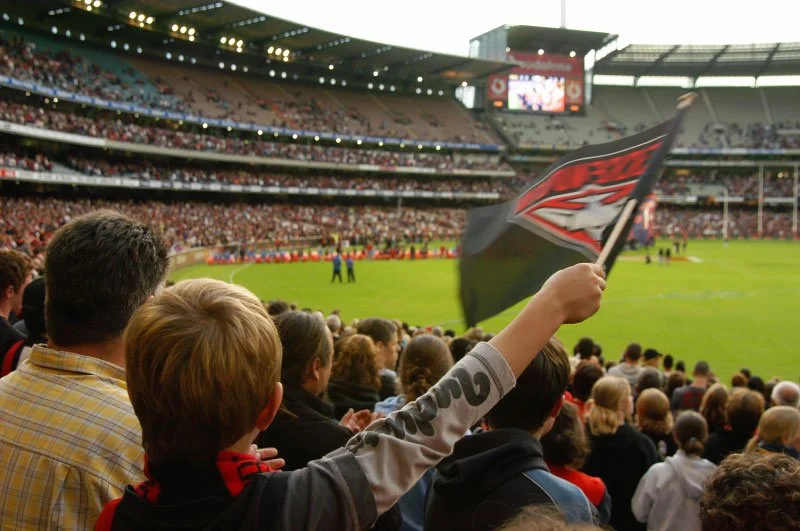
Can Your Boss Trade You? The Employment Law Behind the AFL Trade Period
Trade season is built on the idea that players can be swapped like assets. Jackson Benson explores why AFL players are employees first, examining how restraint of trade, player consent, and the AFL’s collective bargaining framework shape who really controls player movement during the Trade Period.

Australia tackles the odds: Sport’s new gambling reforms explained
With the Interactive Gambling Amendment (Gambling Reform) Bill 2026 recently being passed by the Australian Parliament, Romy Mesfin and Lucie Tolhoek explain the changes and explore the implications for sporting bodies, broadcasters, and individual athletes alike.
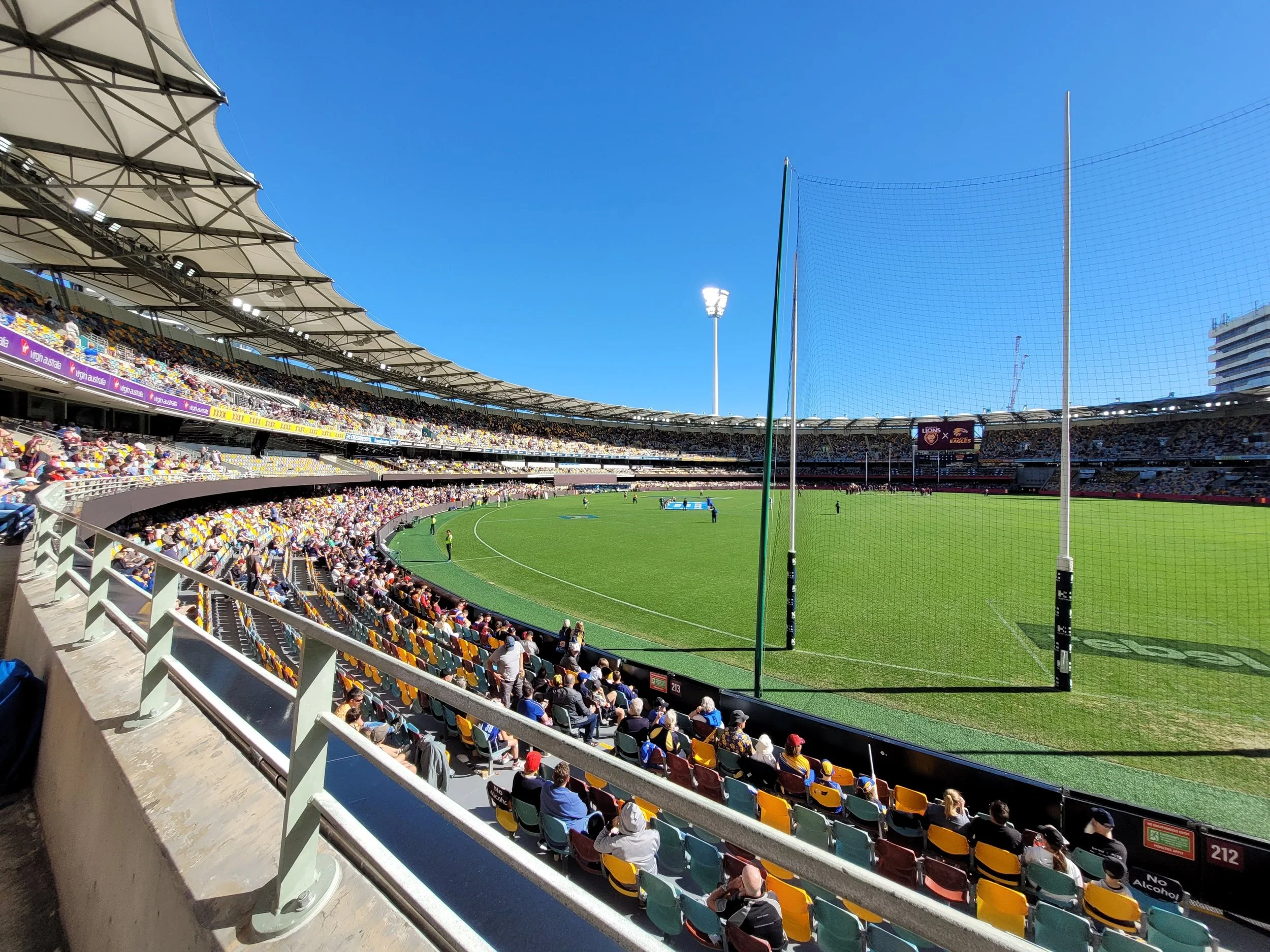
A Familiar Conversation: The Sydney Swans and AFL Culture
Beyond the immediate fallout from the Sydney Swans controversy lies a familiar conversation about culture in Australian football. Leah Lobo considers how the response to serious allegations involving AFL players reflects broader questions of accountability, privilege and the treatment of women, and whether the league can move beyond reactive policies towards meaningful cultural change.

Playing on at Your Own Risk? Jake Kolodjashnij and the Limits of Concussion Consent
How much concussion risk can an athlete truly consent to? Lexy Demetriou unpacks the controversy surrounding Jake Kolodjashnij’s decision to continue his AFL career, exploring the uneasy line between player autonomy and institutional responsibility, and whether accepting the risks of concussion should ever mean accepting its legal consequences.

The Evolution of Technology in Doping Detection in Athletes
As anti-doping authorities increasingly turn to artificial intelligence and biological monitoring to detect prohibited substances, Catherine Leung examines how evolving technologies are transforming doping detection, while raising important questions about accuracy, interpretation, and the risks of relying too heavily on technological analysis in protecting sporting integrity.

Why FIFA's World Cup Sell-Off Collapsed in 72 Hours
As FIFA’s multi-billion-dollar plan to sell a stake in the World Cup collapsed within days, James Norbury examines how the proposal exposed complex legal and governance questions surrounding private investment, non-profit regulation, conflicts of interest, and who truly owns football’s most prestigious tournament.

Tax-Free Football? Special Tax Incentives for Papua New Guinea Chiefs by Australia
As Australia introduces tax exemptions for players and staff of the Papua New Guinea Chiefs, Yvonne Zhou explores how the unprecedented reform positions tax law as a tool of diplomacy, raising important questions about competitive neutrality, legislative fairness, and the growing intersection between sport, public policy, and geopolitics.

No March to Wembley: Southampton, Spygate and the Price of Sporting Integrity
As Southampton’s “Spygate” controversy sends shockwaves through English football, Jackson Benson explores how the EFL’s unprecedented disciplinary response exposes difficult tensions between sporting integrity, proportionality, and the expanding legal reach of football regulation.

Breaking Records or Breaking Rules? The Enhanced Games and the Law
What happens when performance-enhancing drugs are no longer prohibited, but part of the competition itself? Allie Vawser explores how the Enhanced Games challenge traditional approaches to anti-doping, examining the legal implications for athlete autonomy, duty of care, liability and the limits of sporting regulation.

Open for inspection: The AFL Tribunal under Scrutiny
As the AFL Tribunal faces growing scrutiny over procedural standards and legitimacy, Will Bruhn examines how the Zak Butters appeal exposed deeper concerns about procedural fairness, accountability, and whether the league’s disciplinary processes are being treated with the seriousness they demand.

World Cup 2026: Does Football Really Unite the World?
Against a backdrop of political tensions, human rights concerns and soaring ticket prices, James Forrester explores the controversies surrounding the 2026 FIFA World Cup, questioning whether the tournament’s governance and commercialisation are drifting away from football’s traditional promise of a game accessible to all.

Athletes Seeking Asylum: Calls for Reform to Protect Players from Political Risks
As athletes increasingly face political risks beyond the field of play, Julia Kent examines how asylum claims by Iran’s women’s national football team expose the limits of sporting neutrality, raising urgent questions about the responsibility of governing bodies to protect players within an evolving intersection of sport, law, and human rights.

Country v Club: Cameron Green, The KKR Dispute, and the Unresolved Tension between National Boards and Franchise Cricket
As tensions rise between national cricket boards and franchise leagues, James Theile examines how Cameron Green’s IPL controversy exposes deeper contractual fault lines, highlighting unresolved questions about player control, disclosure, and the balance of power in the globalisation of modern sport.

Policing the Podium: Mandatory Genetic Testing and the Future of Women’s Sports
As the International Olympic Committee introduces mandatory genetic testing to determine eligibility for women’s sport, Lexy explores how this shift towards “science-based fairness” raises complex legal, ethical, and human rights questions, exposing tensions between global sporting regulation, domestic anti-discrimination laws, and evolving understandings of sex and identity.

When the Odds Take Over the Game: The Public Health Case for Sports Betting Reform
As the lines between sport and betting continue to blur, Romy Mesfin examines how Australia’s long-standing sporting identity is being reshaped by the normalisation of gambling, raising pressing questions about regulation, responsibility, and public health focused law reform.

Brisbane 2032's AI Talent Hunt: Is Australia's Privacy Law Ready for YouFor2032?
As Australia accelerates its ambition to become “the most AI-assisted sporting nation” ahead of the Brisbane 2032 Olympic and Paralympic Games, Imogen Owen explores how the rapid rise of artificial intelligence is reshaping the landscape of sports law.

The Case of Heraskevych v IBSF and IOC: Why the IOC Can No Longer Ignore the Politics of Sport
In a recent decision by the Court of Arbitration for Sport during the Milano-Cortina Winter Olympic Games, Ukrainian Skeleton athlete Vladyslav Heraskevych was banned from competing as a result of the helmet he was wearing, which displayed images of his fellow Ukrainian athletes that died during Russia’s invasion of Ukraine. As the world continues to exist amongst a myriad of political tensions, Lucie Tolhoek explores the relationship between law, politics, and sport, asking the question: can athletes be active political citizens in their capacity as professional sportspeople without facing sanction?

Keeping Them Honest: The State of Player-Agent Regulation in Australian Sport
Behind every star athlete is an agent - but who’s keeping them in check? Connor Evans explores how Australia’s system of player-agent regulation is falling behind, and what it will take to fix it.

Coming to a Head: Private Equity Looms Large over Australia’s Summer of Cricket
As private equity circles Australian cricket, James Whitfort unpacks the growing financial pressures facing the Big Bash League, the recent $10 million offers rejected by Pat Cummins and Travis Head, and what’s at stake as Cricket Australia weighs tradition against commercial reality.